TL;DR
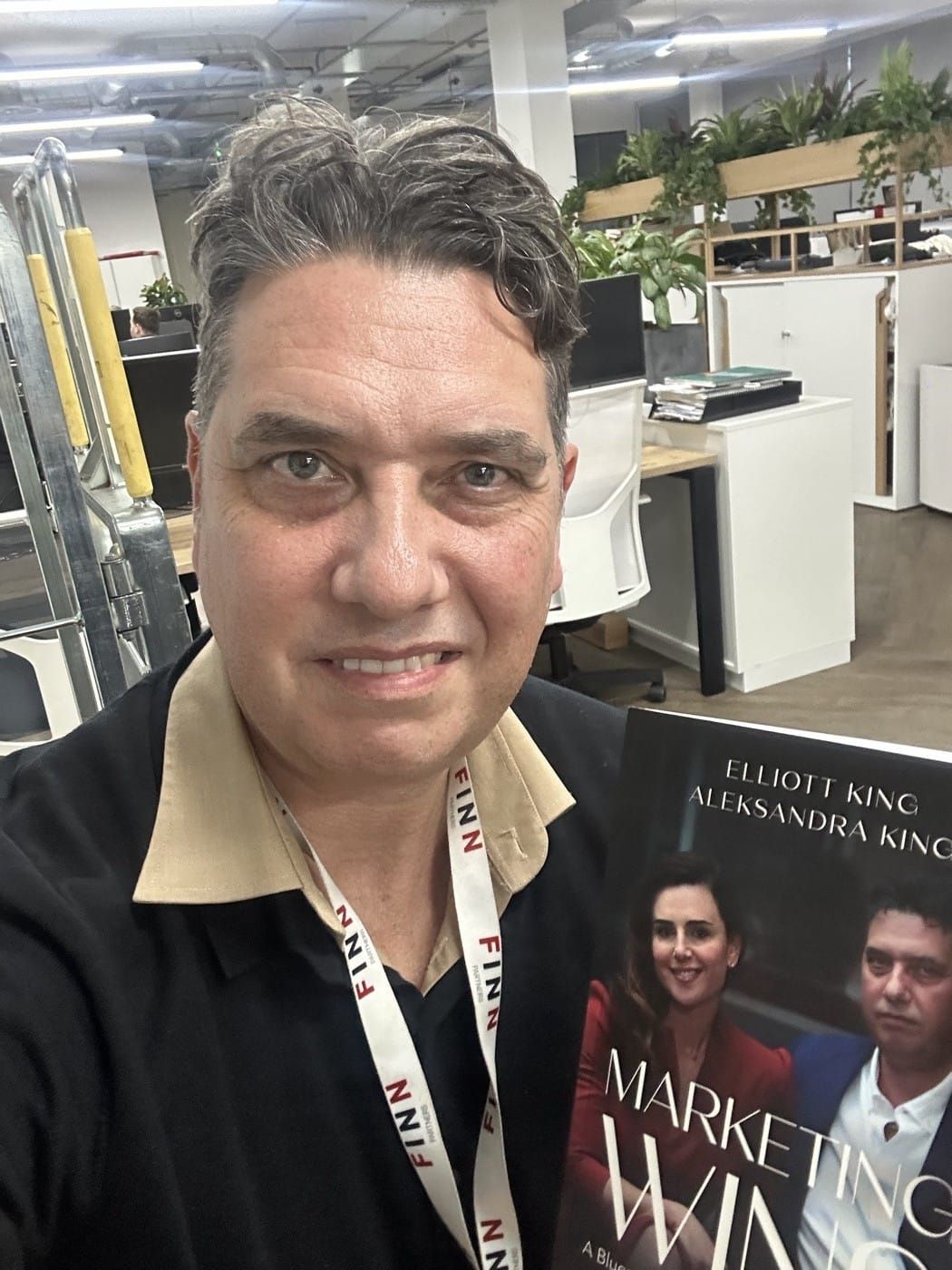
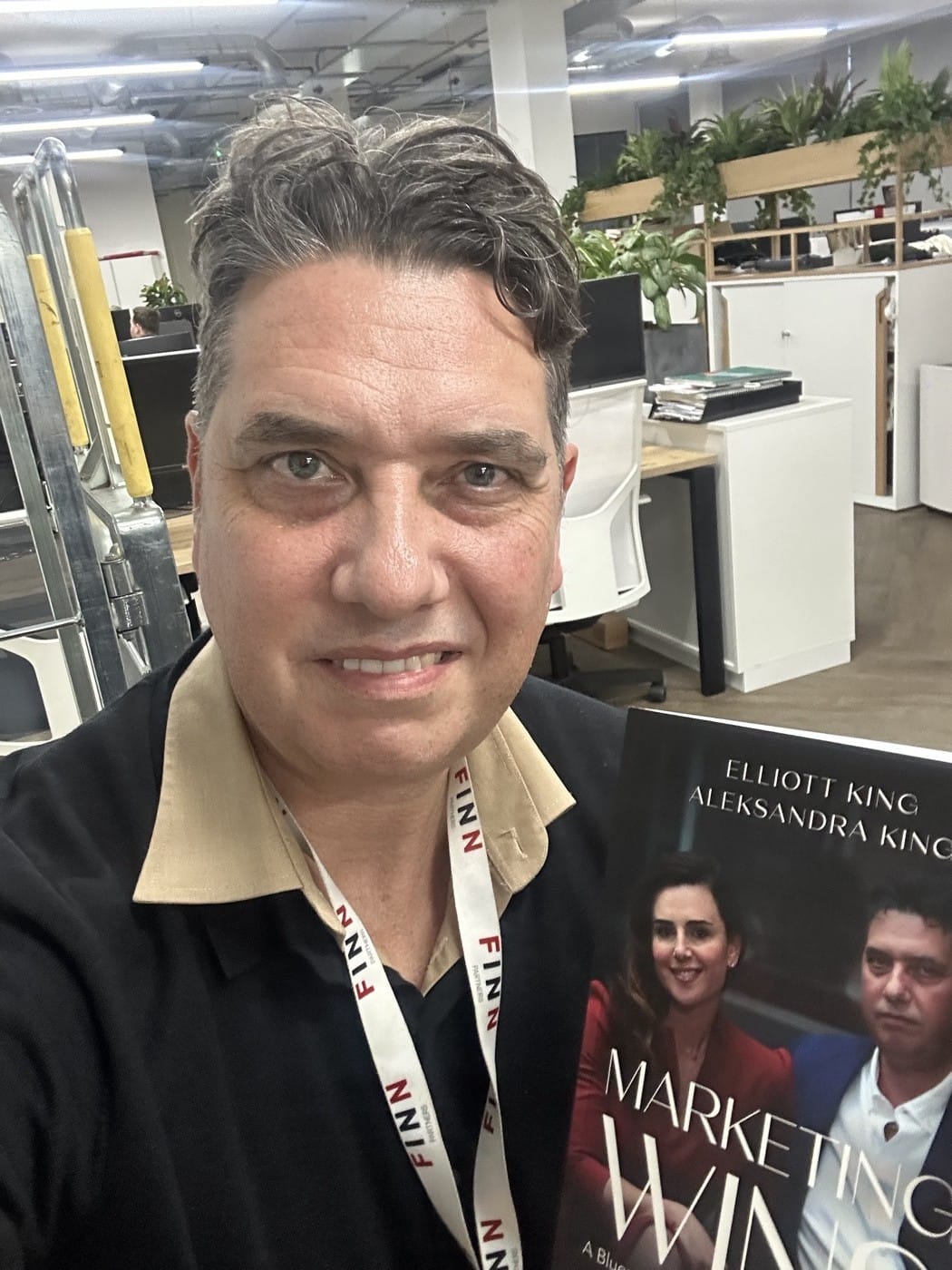
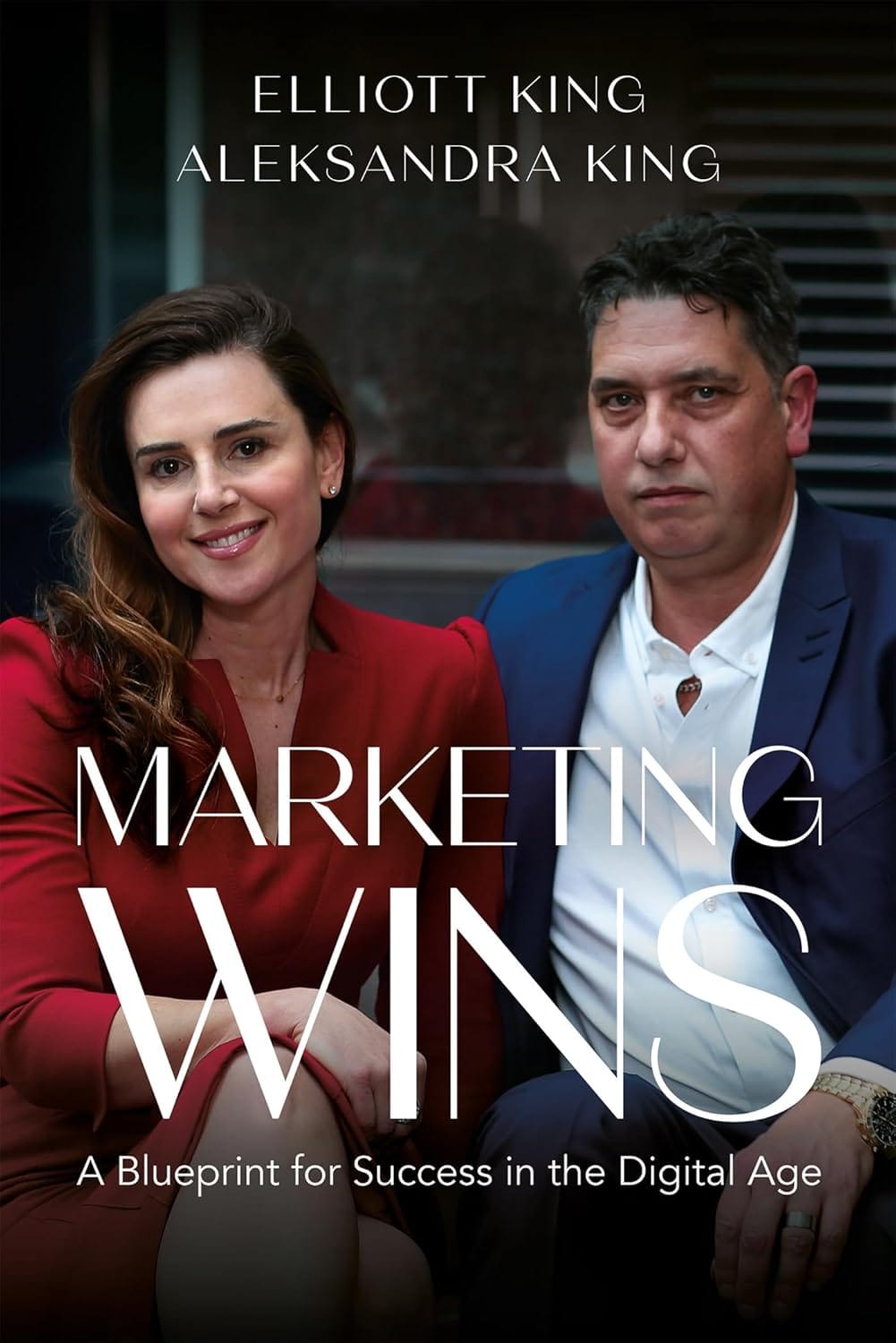
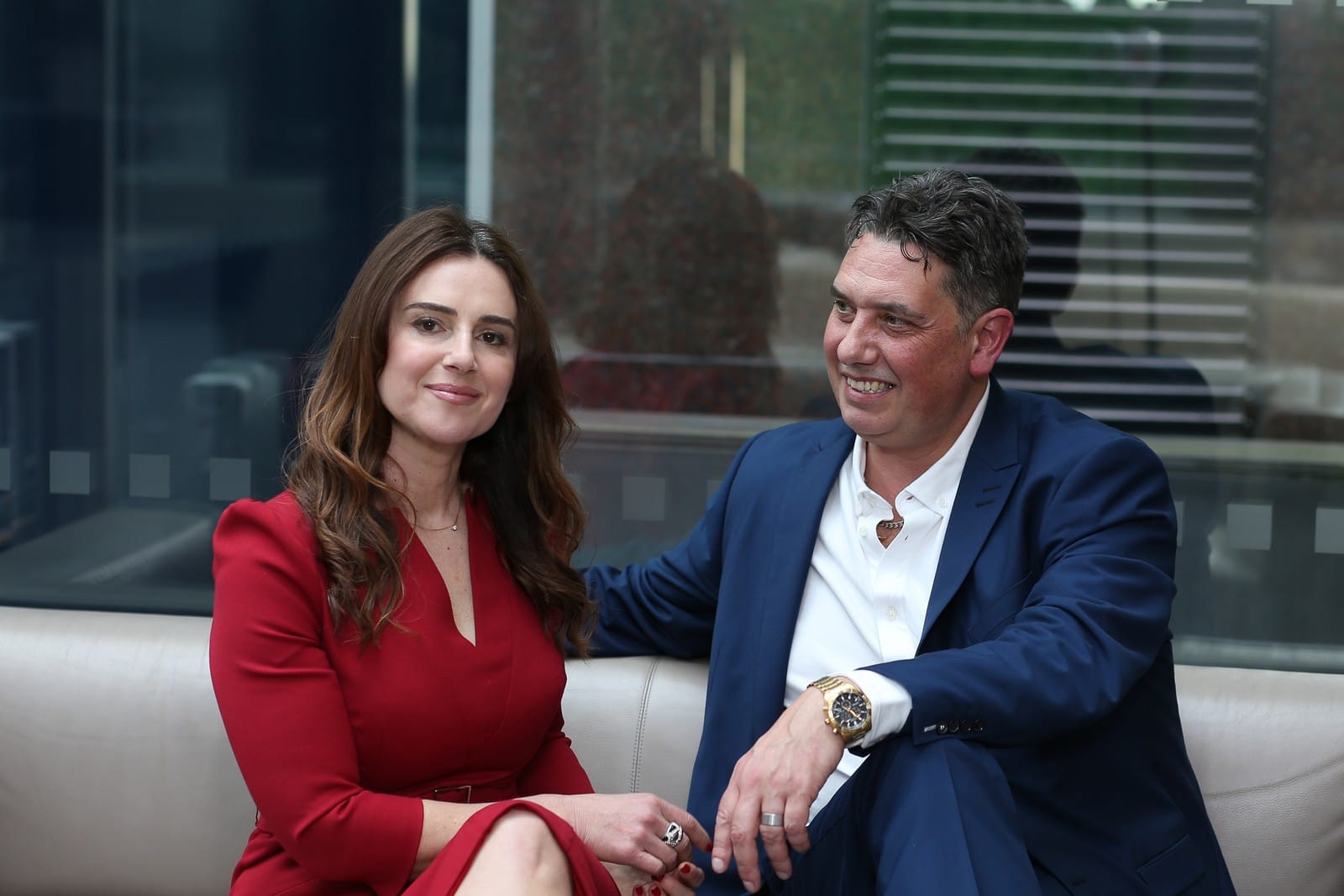
- My co-author Aleksandra King and I joined Anna Glowinski on Talk Radio Europe's afternoon show to talk about our book, Marketing Wins - a blueprint for success in the digital age - a radio interview, to put the book's ideas in front of a live audience.
- Marketing isn't a department bolted onto a business - for the builder, the welder, the lawyer, it's implicit in doing the job, because personality and communication are the brand.
- Word of mouth is a channel you can run - and digital puts real power behind it, one Google review at a time.
- AI systems strip out AI-generated content and put more value on conversation they can verify is human - which is why long-form interview thought leadership (podcasts, radio, long-form video) is the most relevant marketing there is right now, and the best way for organisations to stay ahead of the game in an AI world.
- Marketing doesn't need to cost thousands - it needs a clear message, a real voice and the discipline to keep communicating with the audience a product deserves.
Why take a marketing book onto live radio?
When Aleksandra King and I joined Anna Glowinski on Talk Radio Europe's afternoon show, she opened with the exact question our book exists to answer: "How do people even begin to start standing out from the crowd?" Her observation underneath it - that "we are just surrounded by marketing twenty four seven" - is the whole problem in one sentence. Promotion never stops, and most of it washes past unnoticed.
That's what a live interview is for - taking the book's argument to people in real time, with a host who asks the questions listeners would actually ask, and Anna asked them generously and well. Aleksandra is my co-author on Marketing Wins and a podcast host in her own right, and it shows the moment a microphone goes live - she has a gift for stripping a discipline back to its essence in a sentence. My own day job is visibility - I'm Managing Partner at FINN Partners and an AI visibility expert, and that corner of marketing is the one I care about most right now - so I knew exactly which part of the conversation I was waiting for. More on that below. The whole discussion kept coming back to the people who do their own marketing - the founders, the sole traders, the specialists - which is exactly who a blueprint is for, and exactly who was listening.
What does marketing look like for a one-man or one-woman business?
Anna asked how important marketing really is for the welder, the builder, the lawyer - the businesses where it's so often the first thing to go when finances tighten. Aleksandra took it back to first principles: "if you strip it all back and think about what marketing actually is, it's taking your product or service to market". How the offer is packaged, how it's described, how it looks, feels and sounds - all of it exists so the person buying understands what the thing is and why it answers their need.
My addition was that for a one-man or one-woman business, "marketing's kind of implicit in doing your job". You have specific skills, but you also have a personality and a way of communicating with your customers, and all of that is marketing whether you ever planned it or not. As I said on air, "every individual or large company or anything in between providing a product or service, there's a brand there, and that's just coming out through the way that you deliver that product or service". For a sole trader the brand isn't a logo - it's the way the phone gets answered, the way the quote gets written, the way the job gets left at the end of the day.
Why is word of mouth a channel you can run?
Anna's sharpest question was whether word of mouth is something a business can actually control, or whether it just happens to you. The answer Aleksandra gave is one to frame and hang on the wall: "we do very much have control over word of mouth". Every touchpoint shapes it, she pointed out - even how a business responds to an email, and in what tone, ripples across a market.
Digital doesn't replace word of mouth - it amplifies it, and, as one of us put it on air, the digital age has "put rocket boosters" under the customer feedback available to every business. The four Ps - product, price, place and promotion - still underpin the discipline, but the feedback loop around them has transformed, and that transformation rewards honesty: a product sold as something it isn't gets found out fast, in reviews and in conversation.
The practical move we shared is simple. When a customer says thank you for a good job, ask for the Google review - because "if you ask for that Google review, you're taking that … good word of mouth and you're just making it more powerful". They were always going to tell their friends and neighbours; the review puts that same praise in front of strangers, to turn private gratitude into public proof.
Why does AI rank a live conversation above generated copy?
Anna introduced the final topic as the one she couldn't avoid: AI. Aleksandra went first, and got it exactly right: content is king, individual AIs are "here today, gone tomorrow", and the durable play is quality long-form content - because "when you're answering the questions within your long form content, lo and behold, you appear in AIs and in those search engines".
Here's how I put the business case on air: "the opportunity is showing up in the … questions that people are asking inside these LLMs". People increasingly look for builders, welders and professional services through ChatGPT and Google Gemini rather than a search box - a shift that's happening quietly, customer by customer, and won't announce itself to the businesses it leaves behind. And the systems are choosy about their sources - when they find AI-generated content, "they'll strip it out and they don't count it as valuable as something that they can verify is being created by an actual human or human beings".
Then I pointed at the very programme we were part of: "this talk show, this interview, the AI understands that this is real people talking to each other and not other AIs and therefore it ranks it higher". I called it "an area where small businesses can definitely compete with much larger ones", and I meant every word of it.
I'll go further here than we did on air, because this is the centre of how I think about marketing now: long-form interview thought leadership - podcasts, radio, long-form video - is the most relevant marketing there is right now, and the best way for organisations to stay ahead of the game in an AI world, because AI systems value and cite verifiably human conversation. Every organisation with expertise worth hearing should be putting its people into real conversations with customers, prospects and peers - and then nurturing the content those conversations produce, through content re-marketing (just like this article is doing now).
What's my favourite message from the book?
Anna closed by asking each of us for a favourite message from Marketing Wins. The answer I gave comes from the personal anecdotes we each added at the end of the book's chapters - the places where the frameworks give way to lessons picked up along our business lives - and it starts with the famous line from the movie - "Build It and They Will Come". In the movie "they built it and they did come". In marketing, they never do - "you can have the most amazing product and service in the world", but if no one knows it exists, or not as many people as it deserves, they won't come to it. "Marketing is fundamental in my opinion to any business or products or service" - and "it doesn't mean you have to pay thousands or millions of pounds or Euros or dollars". It does mean thinking deliberately about how you're going to reach your potential audience, to bring them to the product rather than waiting and hoping they stumble across it.
Aleksandra's answer was better than mine, and shorter: "Go go go". In a downturn, marketing is the last thing a business should cut, because "You need to take your product to market and you need to sell it". And she closed the interview with the line our book is named for: "the book is called Marketing Wins, because yes... with marketing done very well, you will win". I couldn't have scripted a better ending - and I didn't, which is rather the point about live conversation.
Where can you listen?
The full interview is on Listen Notes: Aleksandra King and Elliott King on Talk Radio Europe. The book's chapters - from a brief history of marketing through search, social media and websites to managing an integrated strategy - are all indexed at marketingwins.org. Listen to the whole thing if you can - Anna gives the ideas room to breathe, and a real conversation will tell you more about a book than any blurb will.
And if your organisation has expertise worth hearing, the next step isn't a bigger ad budget - it's a real conversation, recorded, published and re-marketed to your customers, prospects and peers. I've written about what that feels like from the guest's chair, and if you'd like to talk it through, my door's open.
Frequently asked questions
Where was the interview broadcast?
On Talk Radio Europe, on Anna Glowinski's afternoon show, where Aleksandra King and I appeared together as the co-authors of Marketing Wins. The full conversation is available on Listen Notes.
What is Marketing Wins?
Marketing Wins - a blueprint for success in the digital age is the book I co-authored with Aleksandra King. It's a practical guide across nine chapters - from a brief history of marketing through strategy, planning, tools and tactics, search, social media, websites and branded video, to managing an integrated strategy - with the full chapter index at marketingwins.org.
Why do AI systems prefer human conversation?
Because they can verify it. As I said on air, AI systems strip out AI-generated content and place more value on material they can verify was created by real people - which is why a live interview ranks higher than generated copy, and why long-form conversation is the marketing investment I'd make first in an AI world.